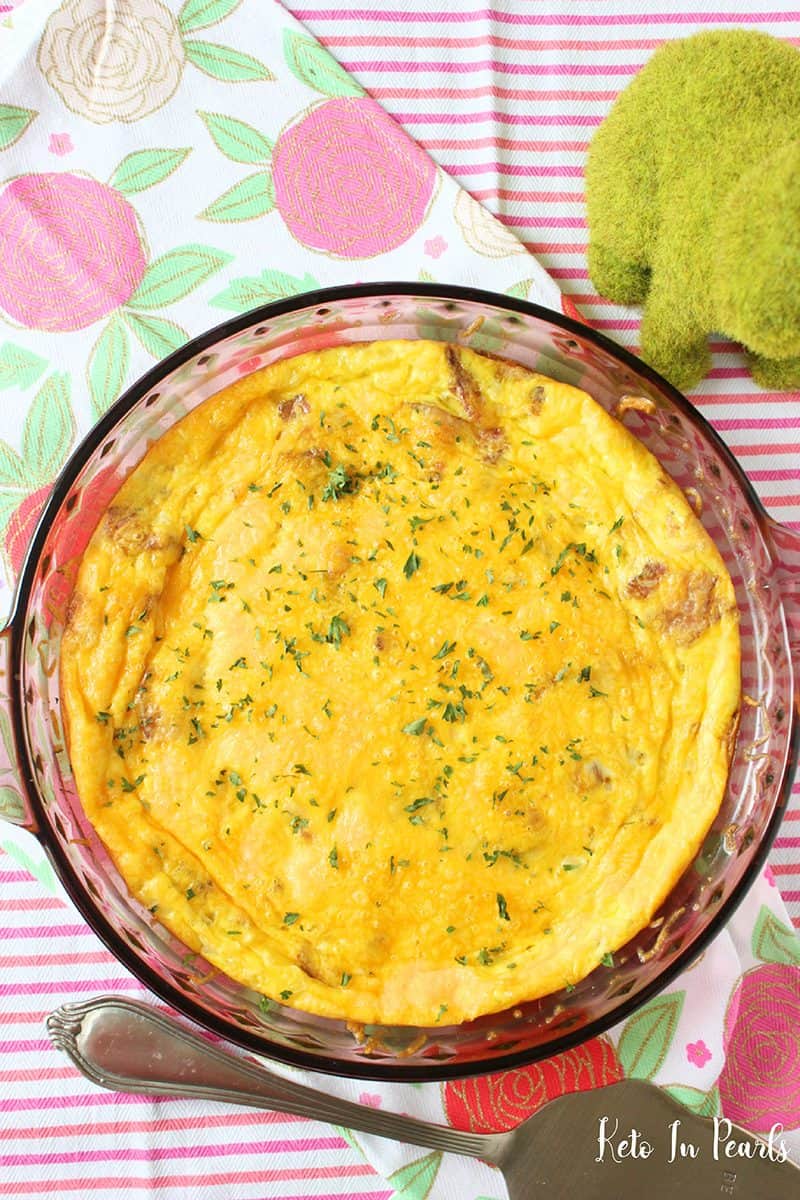
No-Crust Quiche: Simple, Savory & Carb-Friendly Meals
In the quest for satisfying, wholesome meals that don't weigh you down, the humble quiche has undergone a delicious transformation. Enter the crustless quiche – a culinary marvel that delivers all the rich, savory flavor of its traditional counterpart without the added carbohydrates and fuss of a pastry crust. This versatile dish has rapidly become a favorite for those seeking carb-friendly options, busy cooks, and anyone simply looking for a delightful, veggie-packed meal that shines at any time of day.
From a hearty breakfast to an elegant brunch centerpiece or a quick weeknight dinner, the no-crust quiche truly holds its own. It's incredibly filling, packed with protein and vegetables, and, perhaps best of all, doesn't leave you with that sluggish "carb hangover" often associated with heavier morning fare like pancakes. The enthusiasm for this dish is palpable, with many recipes garnering hundreds of five-star reviews, a testament to its widespread appeal and undeniable deliciousness.
The Allure of Crustless Quiche: Why Go Without the Crust?
The decision to ditch the crust isn't just about cutting carbs; it's a strategic move that enhances convenience, health benefits, and even allows the true flavors of your filling to take center stage. For many home cooks, the idea of preparing a quiche can feel daunting, primarily due to the pastry. Rolling out dough, patching up cracks, and preventing a soggy bottom can be surprisingly time-consuming and frustrating. With a crustless quiche, these pastry mishaps become a distant memory, paving the way for a streamlined cooking process.
- Time-Saving Simplicity: Without the need to make or blind-bake a crust, prep time is dramatically reduced. You can often have your quiche mixture ready for the oven in as little as 15 minutes, making it an ideal choice for busy weeknights or impromptu gatherings.
- Carb-Friendly & Health-Conscious: This is arguably the biggest draw. By eliminating the crust, you significantly reduce the carbohydrate content, making it an excellent option for low-carb, keto-friendly, or general health-conscious diets. It allows you to enjoy a rich, savory meal without compromising your dietary goals.
- Focus on Flavor: With no heavy crust to compete, the vibrant flavors of the eggs, cheese, vegetables, and any added meats truly shine. Each bite is a concentrated burst of the savory goodness you've carefully selected.
- Versatility for Any Meal: While perfect for breakfast or brunch, a no-crust quiche easily transitions to a light lunch or a satisfying dinner. Its adaptability means one recipe can serve multiple purposes, simplifying meal planning.
Crustless Quiche vs. Frittata: Unpacking the Differences
A common question arises when discussing crustless quiche: isn't it just a frittata? While both are undeniably delicious baked egg dishes, they possess distinct characteristics that set them apart. Understanding these differences is key to appreciating the unique qualities of each and achieving your desired texture and flavor profile.
The primary distinction lies in their fundamental composition and cooking methodology:
- Texture and Ingredients:
- Quiche: A true quiche, even without a crust, is essentially a savory custard. It's made with a generous amount of milk or cream (or a combination) alongside eggs and cheese. This dairy component gives quiches their signature soft, delicate, and often jiggly texture that melts in your mouth.
- Frittata: Frittatas, on the other hand, contain little to no milk or cream. This results in a denser, firmer texture, more akin to a thick omelet or a baked scramble. The focus is often on the fillings being bound by the egg rather than suspended in a creamy custard.
- Cooking Process:
- Quiche: A crustless quiche is exclusively baked in the oven from start to finish. This slow, even heat allows the custard to set gently, achieving that signature tender consistency.
- Frittata: Frittatas typically begin their cooking journey on the stovetop, where the eggs and fillings are partially cooked in an oven-safe skillet. They are then transferred to the oven for a final few minutes of baking to set the top and finish cooking through.
So, while both are fantastic ways to enjoy eggs and vegetables, their inherent differences in texture and cooking process make them unique culinary experiences. For a deeper dive into these distinctions, explore our detailed guide: Crustless Quiche vs. Frittata: Know the Difference for Perfect Texture.
Customizing Your Crustless Quiche: Endless Possibilities
One of the most appealing aspects of a crustless quiche is its incredible adaptability. This is a truly forgiving recipe, allowing you to easily swap ingredients based on what you have on hand, seasonal availability, or personal preference. Think of the egg and dairy base as a blank canvas for your culinary creativity.
- Vegetable Medley: The possibilities are truly endless. While spinach and mushrooms are classic choices, consider adding:
- Sautéed bell peppers and onions
- Roasted asparagus or broccoli florets
- Zucchini or summer squash
- Chopped kale or Swiss chard
- Sun-dried tomatoes or artichoke hearts
Pro Tip: Regardless of your choice, it's crucial to cook out any excess moisture from your vegetables before adding them to the egg mixture. Sautéing them until tender and slightly dry prevents your quiche from becoming watery or soggy.
- Protein Power-Ups: Enhance the heartiness of your quiche with various proteins:
- Crumbled, cooked bacon or sausage
- Diced ham or turkey
- Shredded chicken
- Smoked salmon or flaked tuna
Important: Always cook any raw meats thoroughly before incorporating them into your quiche mixture.
- Cheesy Delights: Cheese is integral to quiche, adding flavor, richness, and structure. Experiment with different varieties:
- Sharp cheddar or Gruyere for classic flavor
- Feta or goat cheese for a tangy bite
- Mozzarella for a milder, stretchier texture
- Parmesan or Swiss for nutty notes
- Aromatic Herbs & Spices: Elevate your quiche with fresh or dried herbs and a pinch of spice:
- Chives, parsley, or dill for fresh brightness
- Thyme, oregano, or rosemary for earthy depth
- A tiny pinch of nutmeg in the egg custard enhances savory notes
- The "Impossible Quiche" Twist: For those who might miss just a hint of a base, there's a fascinating variation known as "Impossible Quiche" or "self-crusting quiche." This version includes a small amount of flour (typically around half a cup) mixed into the egg batter. As it bakes, the flour sinks to the bottom, creating a very light, almost soufflé-like "crust" during cooking. The result is a delightfully fluffy, cheesy creation that feels a bit like magic! To learn more about this ingenious method, read our article: Impossible Quiche Explained: The Self-Crusting Secret to Easy Meals.
Serving & Storing Your Savory Creation: Tips for Success
Once your magnificent crustless quiche emerges from the oven, fragrant and golden, it's time to decide how to enjoy it – and how to preserve any delicious leftovers.
Serving Suggestions:
The beauty of a no-crust quiche is its versatility in meal pairing:
- For Breakfast or Brunch:
- Pair with crispy bacon (candied bacon offers a surprisingly delightful contrast!), savory sausage links, or a side of skillet breakfast potatoes.
- A fresh fruit salad adds a vibrant, refreshing counterpoint to the rich quiche.
- For a lighter start, simply serve with a cup of coffee or tea.
- For Lunch or Dinner:
- A crisp, fresh salad is an ideal accompaniment. A zesty Greek salad, with its tangy dressing and briny olives, beautifully mellows out the creamy cheesiness of the quiche.
- Roasted vegetables like asparagus, green beans, or cherry tomatoes make for a wholesome and flavorful side.
- A light soup, such as a tomato bisque or a clear vegetable broth, can round out the meal.
This dish truly offers a complete meal in one, providing protein, essential vegetables, and dairy, making it an excellent way to nourish your body.
Make-Ahead & Reheating Tips:
The crustless quiche is a fantastic make-ahead option, perfect for meal prepping a few days in advance or for preparing for a special occasion.
- Storage: Once cooled, store your quiche tightly covered in the refrigerator for up to 4 days.
- Make-Ahead Mix: Many home cooks find success in preparing the egg and veggie mixture the day before and storing it in the fridge, ready to pour into a baking dish and bake the next morning. This can shave precious minutes off your morning routine.
- Reheating Caution: This is crucial to maintaining the quiche's delightful texture. Overheating egg dishes can cause the egg proteins to seize up, expelling water and leading to a rubbery, unpleasant result.
- Microwave: For individual slices, reheat in the microwave only until warmed through, not piping hot. Start with 30-60 seconds and add more time in short bursts as needed.
- Oven: For a larger piece or whole quiche, preheat your oven to a low temperature (around 300°F or 150°C) and reheat gently until warmed through. Covering it loosely with foil can help prevent the top from drying out.
The no-crust quiche stands as a testament to how simple culinary adjustments can yield profoundly satisfying results. It's an invitation to savor rich, complex flavors without compromise, fitting seamlessly into various lifestyles and dietary preferences. Whether you're a seasoned chef or a kitchen novice, experimenting with a crustless quiche offers a rewarding journey into simple, savory, and incredibly carb-friendly meals. So go ahead, whisk up some eggs, gather your favorite fillings, and discover the effortless delight of this remarkable dish.
