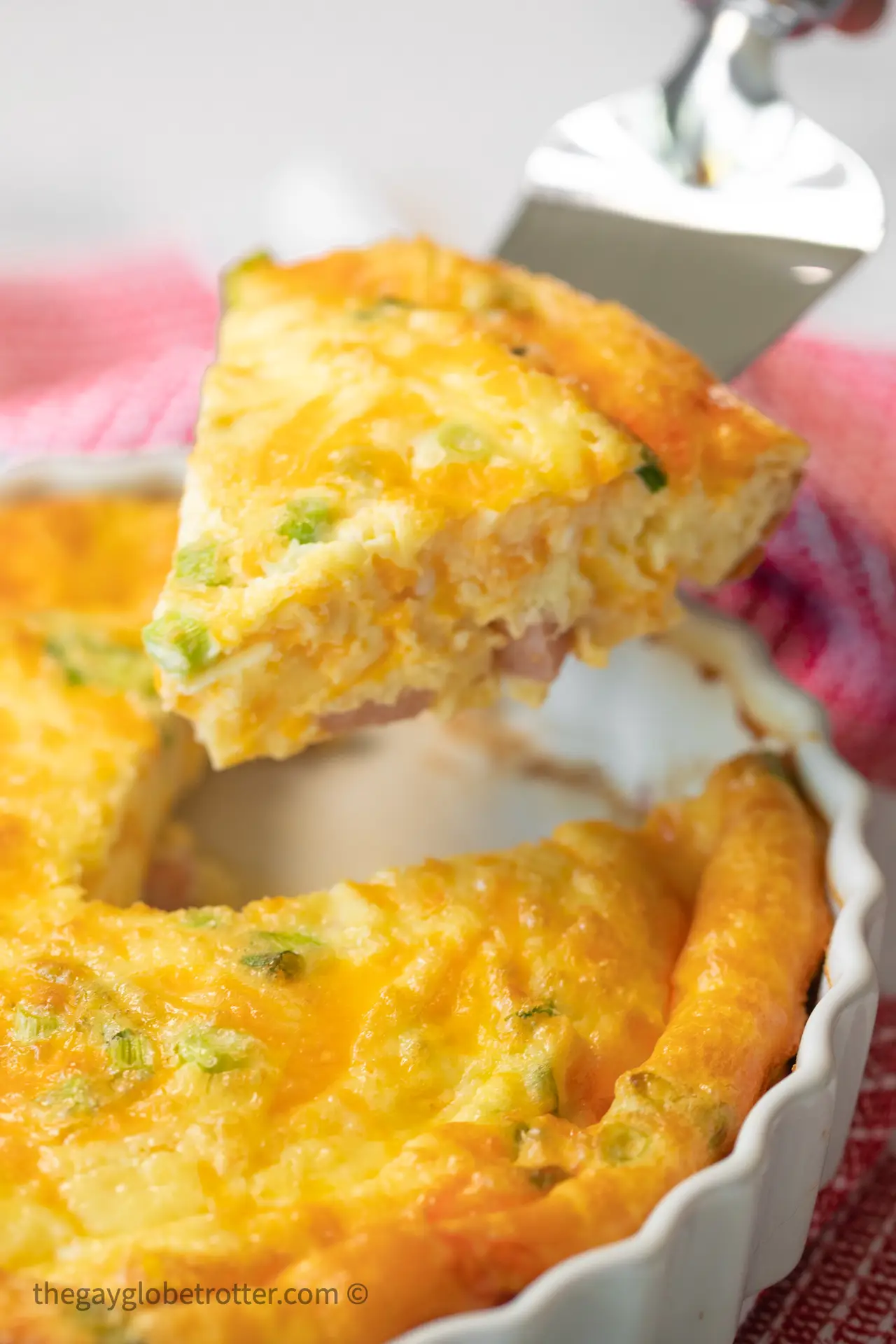
When it comes to delightful baked egg dishes, the line between a no-crust quiche and a frittata can often seem blurry. Both are incredibly versatile, packed with flavor, and perfect for anything from a hearty breakfast to a light dinner. However, mistaking one for the other might lead to unexpected textures and culinary disappointment. While they share some similarities, understanding the fundamental differences between a crustless quiche and a frittata is key to achieving that perfect, desired texture every single time.
Far from being interchangeable, these two savory egg preparations offer distinct experiences in terms of ingredients, cooking methods, and ultimately, their final mouthfeel. Whether you're a seasoned home cook or just starting your culinary journey, knowing these nuances will empower you to choose the right recipe for your meal and create dishes that truly shine.
Decoding the Core Differences: Crustless Quiche vs. Frittata
The most significant distinctions between a crustless quiche and a frittata lie in two main areas: their textural profile, largely dictated by their dairy content, and their unique cooking processes.
The Heart of the Matter: Texture and Ingredients
At its core, a crustless quiche is essentially a baked custard. The egg mixture is enriched with a substantial amount of milk, cream, or a combination of both. This generous dairy addition is what gives quiche its signature soft, delicate, and often jiggly texture. It’s light, almost melts in your mouth, and holds its shape beautifully despite its tenderness. Common quiche fillings, such as cheeses, cooked vegetables, and meats, are suspended within this creamy base, contributing to its rich flavor without overwhelming the delicate custard.
Frittatas, on the other hand, boast a firmer, denser texture, akin to a thick, open-faced omelet or a baked egg casserole. This is because frittatas contain little to no milk or cream, or perhaps just a splash. The higher proportion of egg to dairy results in a more robust, substantial bite. The fillings in a frittata, often sautéed vegetables and meats, are typically mixed directly into the eggs and evenly distributed, becoming an integral part of the overall structure rather than suspended in a custard.
Cooking Methods: From Stovetop to Oven
The culinary journey of each dish also varies significantly, directly impacting its final texture and appearance:
- Crustless Quiche: This dish is an oven-baked affair from start to finish. After mixing the eggs, dairy, and fillings, the entire concoction is poured into a baking dish (traditionally a pie plate, but any oven-safe dish works for a crustless version) and baked until set. The gentle, even heat of the oven allows the custard to slowly firm up, resulting in that uniform, tender texture without browning too quickly.
- Frittata: A frittata begins its life on the stovetop. The fillings are typically sautéed in an oven-safe, non-stick skillet. Then, the egg mixture (sometimes briefly scrambled into the fillings) is poured over, and the frittata is cooked on the stovetop until the edges are set and the bottom is golden. It's then transferred to the oven to finish cooking through, ensuring the top is beautifully puffed and golden without drying out. This two-stage cooking process contributes to its characteristic firm base and slightly softer, often browned, top.
The Allure of the Crustless Quiche: Versatility and Flavor
The crustless quiche has garnered immense popularity for its adaptability, delicious taste, and health-conscious appeal. It’s a wonderful alternative for those seeking a savory, filling meal without the extra carbohydrates of a traditional pastry crust. This makes it an ideal choice for low-carb diets, or simply for anyone looking for a lighter yet satisfying option.
Imagine serving a fluffy, vegetable-laden crustless quiche at brunch, offering a protein and nutrient-packed start to the day. Its elegant presentation belies its relatively simple preparation, making it a star dish that feels special without requiring excessive effort. For more ideas on how to incorporate this versatile dish into your meals, explore our article on No-Crust Quiche: Simple, Savory & Carb-Friendly Meals.
Customizing Your Crustless Quiche Creations
One of the greatest strengths of the crustless quiche is its forgiving nature and endless customization possibilities. You can truly make it your own by swapping out vegetables, cheeses, and meats based on what you have on hand or what your palate desires. Here are a few essential tips for perfect customization:
- Pre-Cook Your Veggies: To prevent a watery or soggy quiche, always cook moisture-rich vegetables (like spinach, mushrooms, or zucchini) thoroughly before adding them to the egg mixture. Squeeze out any excess liquid, especially from greens, to ensure a firm set.
- Cook Meats First: Any meats you wish to include, such as bacon, sausage, or ham, should be fully cooked and drained of excess fat before mixing them in. This ensures they are perfectly done and don't introduce unnecessary grease.
- Cheese Choices: Experiment with different cheeses! From sharp cheddar and Gruyere to creamy goat cheese or tangy feta, the right cheese can elevate your quiche to new heights.
Serving Suggestions and Make-Ahead Magic
A crustless quiche isn't just for breakfast. Its robust flavor profile makes it suitable for any meal. For a complete brunch, pair it with candied bacon, fresh fruit salad, or skillet potatoes. For lunch or dinner, a crisp, leafy Greek salad can beautifully complement its creamy richness, offering a refreshing counterpoint. Its versatility makes it a go-to for meal prep as well.
As a make-ahead champion, a baked crustless quiche can be stored in the refrigerator for up to four days. When reheating, exercise caution: overheating can cause egg proteins to seize, expelling water and leading to a rubbery texture. Gently warm it in the microwave until just heated through, avoiding piping hot temperatures, to maintain its delicate custard consistency.
Exploring the "Impossible Quiche": A Self-Crusting Wonder
Adding another intriguing layer to the world of crustless quiches is the "Impossible Quiche," sometimes referred to as "self-crusting quiche." This variation introduces a small amount of flour (typically around half a cup) into the egg and dairy mixture. The "magic" happens during baking: the flour settles to the bottom of the dish, creating a very light, almost soufflé-like "crust" as it bakes. This ingenious addition gives the dish a unique texture – fluffy, cheesy, and incredibly satisfying, without the hassle of traditional pastry making.
The Impossible Quiche is particularly popular for its minimal prep time and the delightful surprise of its subtle self-formed crust. It provides a delightful middle ground between a firm frittata and a traditional quiche, offering a slightly more substantial base than a purely impossible quiche explained. It’s an excellent choice for busy weeknights when you crave something special but need to save time.
Mastering the Perfect Texture: Tips for Both Dishes
Understanding the core differences is the first step; mastering the preparation is the next. Here are some actionable tips to achieve the ideal texture for both your crustless quiches and frittatas.
Achieving the Silky Smooth Crustless Quiche
- Don't Skimp on Dairy: The milk or cream is crucial for that custard-like texture. Using whole milk or heavy cream will yield the creamiest results. For a slightly lighter version, a mix of milk and half-and-half works well.
- Gentle Heat is Key: Bake your crustless quiche at a moderate temperature (typically 350-375°F / 175-190°C) until the center is just set. An inserted knife should come out mostly clean, but a slight wobble in the very center is desirable, as it will continue to set as it cools. Overbaking leads to a dry, rubbery texture.
- Rest Before Slicing: Allow the quiche to rest for 10-15 minutes after removing it from the oven. This allows the internal structure to stabilize, making it easier to slice cleanly and ensuring the custard is perfectly set.
- Strain if Desired: For an exceptionally smooth custard, you can strain your egg and dairy mixture through a fine-mesh sieve before adding fillings and baking. This removes any chalazae (the white stringy bits in eggs) or unmixed dairy, ensuring a perfectly homogenous base.
Crafting a Flawless Frittata
- Use an Oven-Safe Skillet: This is non-negotiable for the stovetop-to-oven method. Cast iron or a good quality non-stick pan are excellent choices.
- Don't Overcrowd: Ensure your skillet isn't overly packed with fillings. Too many ingredients can prevent the eggs from setting properly.
- Even Heat Distribution: When starting on the stovetop, keep the heat at medium-low to allow the bottom to set without burning. Rotate the pan periodically for even cooking.
- Know When to Transfer: The frittata is ready for the oven when the edges are set and lightly golden, but the center is still visibly wet. The oven will finish the cooking without drying out the bottom.
Conclusion
While both crustless quiche and frittata are stellar options for savory egg dishes, their differences are significant and purposeful. The delicate, creamy custard of a quiche, born from ample dairy and oven baking, stands in contrast to the firmer, omelet-like texture of a frittata, which gets its character from less dairy and a combined stovetop-to-oven cooking process. By understanding these distinctions, from their core ingredients to their preparation methods, you're now equipped to choose and execute the perfect dish, ensuring ideal texture and maximum enjoyment for your next meal.
