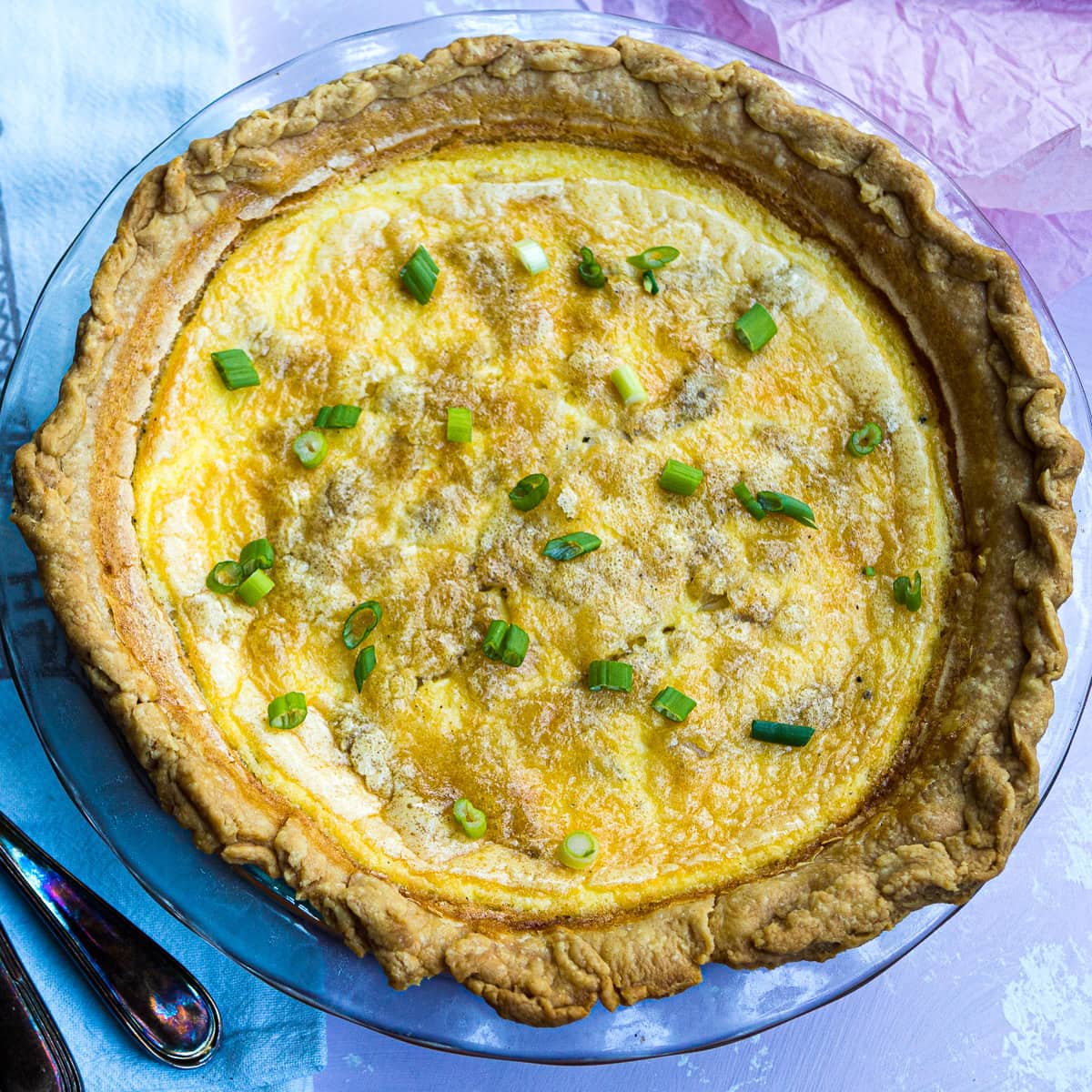
Impossible Quiche Explained: The Self-Crusting Secret to Easy Meals
Imagine a quiche so effortlessly elegant, so incredibly simple to prepare, that it practically makes itself. No fiddly pastry, no endless rolling and patching – just a beautifully baked, savory custard that emerges from the oven with its own delicate, built-in "crust." This isn't magic, it's the ingenious concept behind Impossible Quiche, a revolutionary take on the classic that’s winning hearts (and stomachs) with its self-crusting secret. If you've been searching for a versatile, delicious, and genuinely easy crustless quiche recipe, prepare to be amazed.
The beauty of the impossible quiche lies in its clever construction. Unlike traditional quiches that rely on a separate pastry shell, this variant incorporates a small amount of flour directly into the egg mixture. As the quiche bakes, this flour gracefully sinks to the bottom, forming a wonderfully light, almost soufflé-like base that perfectly complements the creamy, cheesy custard above. The result is a fluffy, satisfying dish that's rich in flavor, packed with wholesome ingredients, and requires minimal prep time, making it an ideal choice for busy weeknights, leisurely brunches, or even a sophisticated make-ahead lunch.
What Makes a Quiche "Impossible"? The Self-Crusting Secret
The term "Impossible Quiche" might sound dramatic, but it perfectly encapsulates the surprising ease and delightful outcome of this unique dish. At its core, an impossible quiche is a type of crustless quiche that performs a culinary trick: it creates its own "crust" during the baking process. This magic happens thanks to the strategic inclusion of a modest amount of all-purpose flour in the liquid egg mixture, alongside milk or cream, cheese, and your chosen fillings.
Here's how the secret unfolds: When the batter is poured into a greased pie dish and baked, the denser flour particles, along with some of the cheese, naturally gravitate downwards. As the heat sets the eggs and the mixture begins to solidify, these heavier elements coalesce at the bottom, forming a tender, slightly denser layer that mimics the function of a traditional crust without any of the fuss. The texture is distinctly different from a conventional pastry crust—it's softer, airier, and melds seamlessly with the custard, providing a light yet supportive base that prevents the quiche from feeling like a mere baked egg dish.
This self-crusting effect transforms the preparation process. Gone are the days of wrestling with sticky dough, patching up tears in delicate pastry, or spending precious time blind baking. With an impossible quiche, you simply whisk your ingredients, pour, and bake. This makes it an incredibly appealing option for anyone seeking delicious, homemade meals without the commitment of complex baking, especially when you're craving that comforting quiche experience on a busy schedule.
Beyond the Basics: Crustless Quiche vs. Frittata (and Why It Matters)
Often, when people hear "crustless quiche," their minds might immediately jump to "frittata." While both are delightful baked egg dishes, they are far from interchangeable. Understanding their distinct characteristics is key to achieving the perfect texture and flavor profile you desire, whether for a cozy breakfast or an elegant brunch.
The fundamental difference lies in their composition and cooking method. A true quiche, even a crustless one, is defined by its rich, custard-like consistency. This is achieved by incorporating a significant amount of milk or cream into the egg base. This dairy component gives quiches their characteristic soft, delicate, and often jiggly texture that melts in your mouth. Furthermore, quiches are typically baked entirely in the oven, allowing for a slow, even cooking that sets the custard beautifully.
Frittatas, on the other hand, contain little to no milk or cream. Their texture is much denser, closer to that of a thick omelet or a baked scramble. The cooking process for a frittata also differs significantly: they typically start on the stovetop, often in an oven-safe skillet, where ingredients are sautéed and the eggs begin to set, before being transferred to the oven for a brief period to finish cooking and brown the top. This dual cooking method contributes to their firmer texture.
So, why does this distinction matter for your culinary adventures? Choosing between a crustless quiche and a frittata depends on your desired outcome. If you're craving something luxuriously creamy, tender, and with a delicate "quiver," the quiche is your go-to. If you prefer a heartier, more substantial egg dish that's quicker to get onto the table and has a firmer bite, a frittata might be more suitable. The "Impossible Quiche" further refines the crustless quiche experience by adding that unique self-crusting base, offering a slightly more structured and satisfying eating experience than a completely un-crusted variant. For a deeper dive into these differences, explore Crustless Quiche vs. Frittata: Know the Difference for Perfect Texture.
Unleashing Your Culinary Creativity: Customizing Your Impossible Quiche
One of the most appealing aspects of the impossible quiche is its incredible versatility. Like its traditional counterpart, this crustless quiche serves as a perfect canvas for a myriad of flavors, allowing you to tailor it to your preferences, what's in season, or whatever leftovers you have on hand. It truly shines as a customizable meal that can be enjoyed for breakfast, brunch, lunch, or even a light dinner.
- Vegetable Powerhouse: The reference highlights spinach and mushrooms, which are classic for a reason. However, don't stop there! Consider sautéed bell peppers, caramelized onions, roasted asparagus, sun-dried tomatoes, broccoli florets, or even finely diced zucchini. A crucial tip for any vegetable addition is to cook out as much moisture as possible before adding them to the egg mixture. Excess water will make your quiche soggy and prevent that perfect creamy texture.
- Protein Punch: For a heartier meal, incorporate cooked meats. Crumbled bacon, diced ham, cooked sausage, shredded chicken, or even smoked salmon can elevate your quiche. Just like with vegetables, ensure any meats are fully cooked and excess fat is drained before mixing them in.
- Cheese Please: Beyond cheddar, experiment with different cheeses to alter the flavor profile. Gruyère offers a nutty complexity, feta adds a tangy Mediterranean twist, goat cheese provides a creamy tang, and a sprinkle of Parmesan can boost umami. Mixing a few types can create a more nuanced taste.
- Herb and Spice It Up: Fresh herbs like chives, parsley, dill, or basil brighten the flavors. For a more robust profile, consider a pinch of nutmeg (classic in quiche!), a dash of smoked paprika, or a sprinkle of cayenne pepper for a subtle kick.
Imagine serving a vibrant spring quiche with asparagus and goat cheese, or a hearty winter version with roasted butternut squash and sage. For breakfast or brunch, pair it with crispy candied bacon, a fresh fruit salad, or savory skillet potatoes. For lunch or dinner, a crisp, leafy Greek salad can beautifully cut through the quiche's creamy richness. This adaptability makes the impossible quiche a fantastic solution for No-Crust Quiche: Simple, Savory & Carb-Friendly Meals, effortlessly fitting into various dietary needs and culinary whims.
Smart Prep & Reheating: Enjoying Your Impossible Quiche All Week
One of the ultimate conveniences of the impossible quiche is its status as a fantastic make-ahead meal. Preparing a larger batch means you can enjoy delicious, wholesome meals for several days, making your meal prep routine significantly easier. However, there are a few expert tips to ensure your reheated slices are just as delightful as the fresh-from-the-oven original.
Storage: Once cooled, slice your quiche and store individual portions or the whole remaining quiche in an airtight container in the refrigerator for up to 3-4 days. This allows for quick grab-and-go meals throughout the week.
Reheating with Care: The delicate egg proteins in quiche are sensitive to overheating. Zapping it too long or at too high a temperature can cause the eggs to "seize up," expelling moisture and resulting in a rubbery, unpleasant texture. To avoid this, follow these guidelines:
- Microwave: This is generally the quickest and most recommended method. Place a single slice on a microwave-safe plate and heat in 30-second increments on medium power, checking between each cycle. Aim for just warmed through, not piping hot. The goal is to bring it to a comfortable eating temperature without overcooking.
- Oven/Toaster Oven: For a slightly crisper texture (especially if you desire to revive that self-crusting base), preheat your oven to a moderate temperature (around 300-325°F or 150-160°C). Place the quiche slice on a baking sheet and heat for 10-15 minutes, or until warmed through. Covering loosely with foil can prevent drying.
Advance Prep of the Mix: While baking the entire quiche ahead is excellent, you might also wonder if the egg and veggie mix can be prepared the day before baking. Absolutely! Whisk together your eggs, dairy, flour, cheese, and pre-cooked fillings, then store the mixture in an airtight container in the refrigerator overnight. The next day, simply give it a good stir, pour it into your prepared dish, and bake. This can shave precious minutes off your morning routine, making a fresh, hot quiche even more accessible.
By following these simple storage and reheating tips, your impossible quiche will remain a delicious, convenient, and satisfying option for any meal throughout your busy week.
Conclusion
The Impossible Quiche truly lives up to its name, transforming the often-intimidating art of quiche-making into an incredibly accessible and enjoyable culinary experience. With its ingenious self-crusting secret, this delightful crustless quiche offers all the creamy, savory satisfaction of a traditional quiche without any of the pastry-related stress. It’s a versatile powerhouse, perfect for any meal of the day, highly customizable to your taste, and brilliantly suited for make-ahead convenience.
So, the next time you're craving a comforting, protein-packed, and veggie-filled dish that promises to be both easy to prepare and incredibly delicious, look no further than the impossible quiche. It’s a testament to how simple ingredients, combined with a clever technique, can yield truly extraordinary results, making it a staple in any home cook's repertoire.
